Season 2025
The 2025 record
The 2025 entries take the mechanics apart: how a trial award sheet reads, how a working test is marked, the parts of a sheepdog course, what canicross kit does.

The 2025 entries are the mechanical ones. A first season at any of these sports is spent watching things happen without knowing what is being written down, and the six pieces here are about the writing down. What does the sheet at the end of a field trial actually say, and why does a Certificate of Merit sit outside the placings. What is a working test marked out of, and who decides. What are the parts of a sheepdog course, in order, and where do the points go. Which spaniel stake is open to which dog. What each of the three pieces of canicross kit is for. How a forest track becomes a dryland racing course.
These are the questions that get asked at the rope and answered badly, because the answer is usually a rulebook paragraph that nobody at the ground has in front of them. Every entry in this year links to the regulation it describes, so the reader can check the wording rather than take a summary on trust. Where a governing body has changed a rule recently, that is stated. Where the answer genuinely depends on the society running the event, the entry says which part is national and which part is local.
None of these pieces reports a result, names a competitor or describes a particular event. They describe structures: a card, a course, a class, a harness, a track. Structures are stable enough to be worth writing down carefully, and they are what a newcomer is missing.
In this section
-
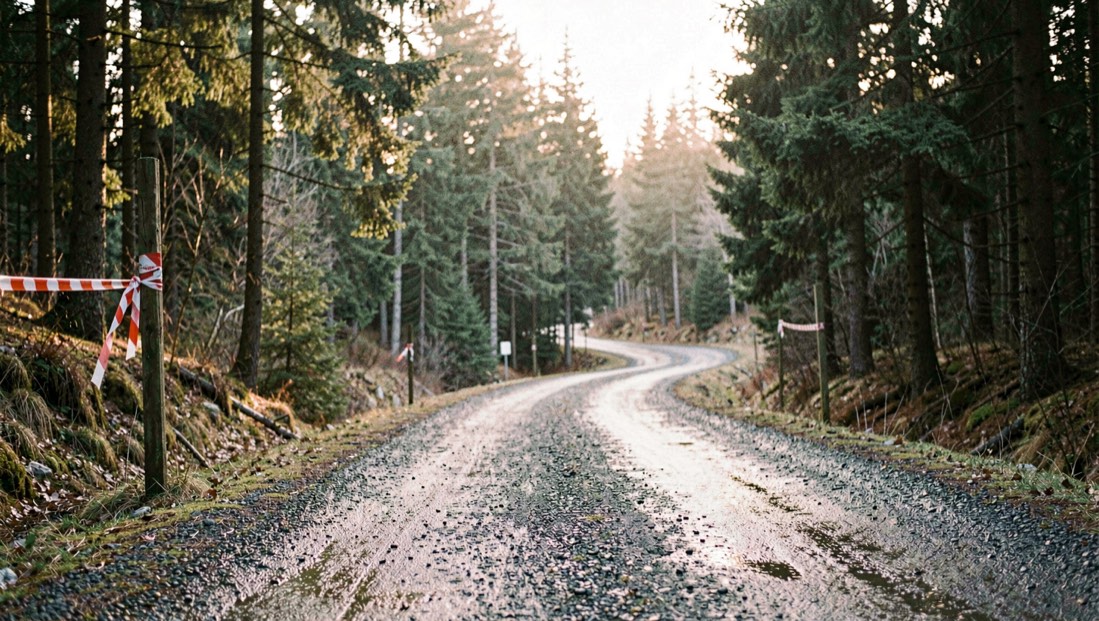
How a dryland course is laid out for bikejor
A dryland course is designed, not just chosen. The rules that govern it are written around one idea: build the trail for the fastest and biggest team that will use it, not the average one.
-
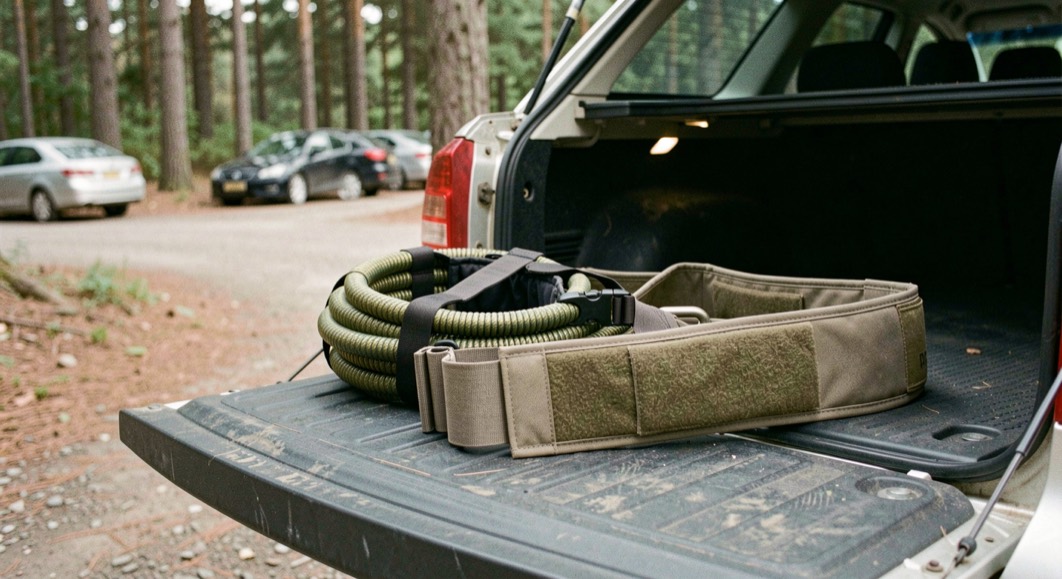
Canicross kit: the harness, the line and the belt
Canicross equipment is simple enough to describe in one sentence and specific enough that the rules give it in centimetres. Every requirement in it exists because of a way somebody has been hurt.
-
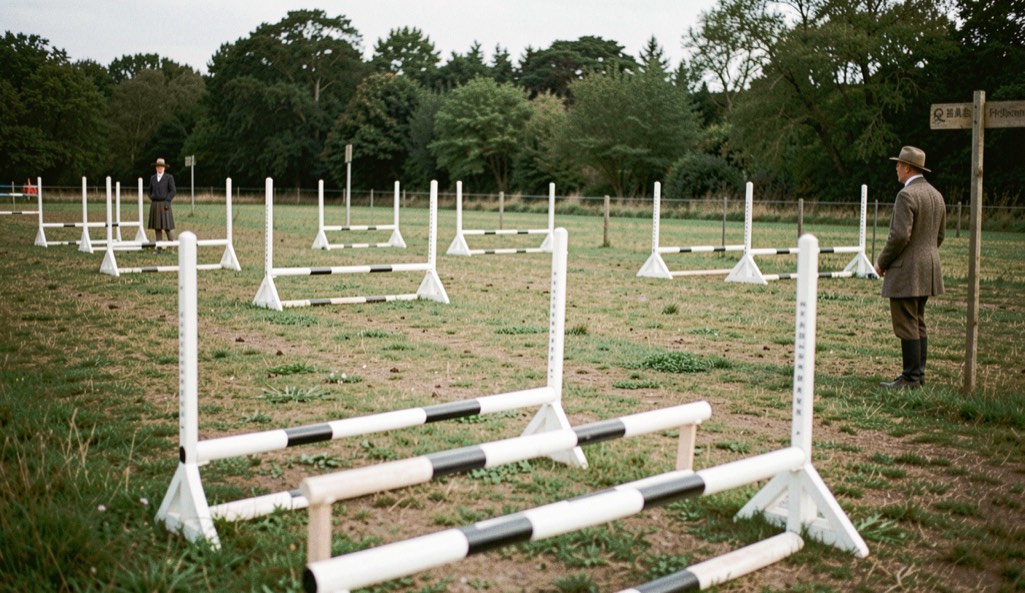
A sheepdog course, from outrun to single, with the points
A sheepdog trial is scored by subtraction. Every dog starts on the maximum for each phase and loses points from there, and the published scale tells you exactly what the judge is protecting.
-
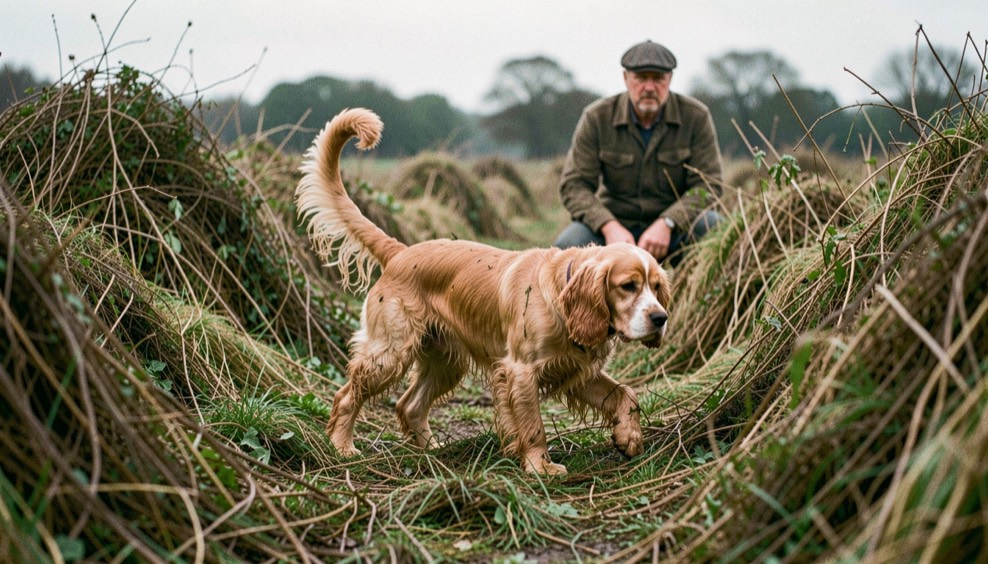
Spaniel stakes: novice, all aged and open
Stake names sound like levels of skill and are actually definitions about paperwork. Novice is not a beginner class, all aged is not a veterans class, and one common class name is not in the regulation at all.
-
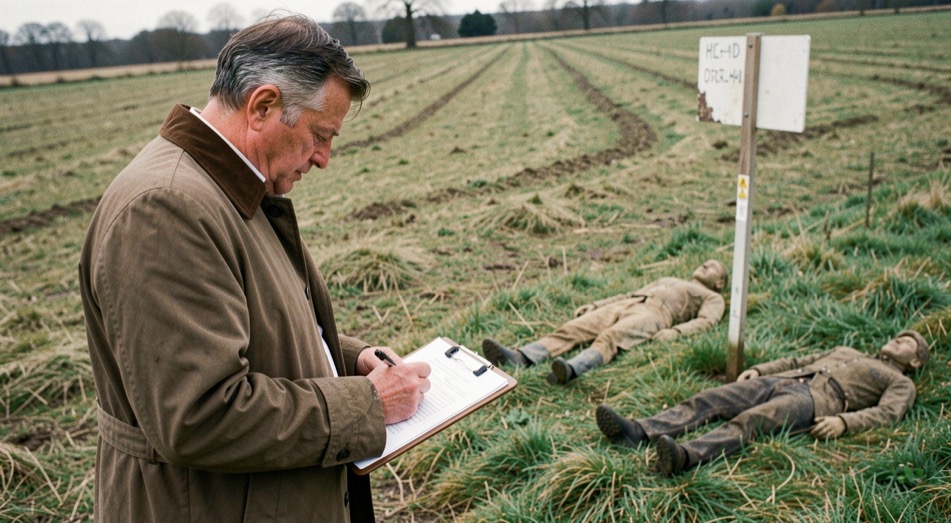
How a gundog working test is judged and marked
The one thing everybody knows about working tests is that they are marked out of twenty. The regulation says something more careful than that, and the difference matters if you are trying to compare two results.
-
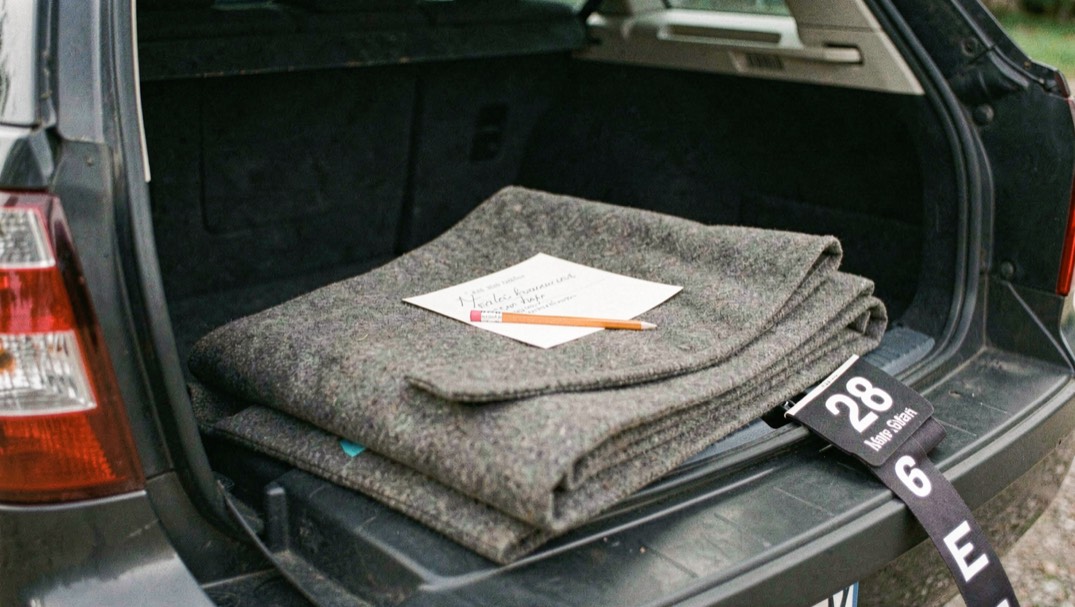
Reading a field trial award card
A field trial does not produce a score. It produces a short list of placings, an optional merit award, and a set of reasons written in a private shorthand of faults that the regulation itself defines.
The rest of the record runs either side of this season: 2026 and 2024. How the entries are written, and what the desk does not do, is set out on the about page.